A systematic approach to garage workshop design begins with a clear workflow and zoning plan that guides tasks from intake to completion. Storage should be organized with labeled bins and predictable benches to support single-task momentum. Safety requires glare-free lighting, clearly labeled power circuits, and proper cord management, while dust control relies on filtration and enclosures. Ergonomic, modular furniture allows future adjustments, and routines for maintenance and safety checks keep the space adaptable—yet the next step reveals itself through practical experimentation and refinement.
Define Your Garage Workflow and Zoning
Defining the garage workflow and zoning establishes a functional layout that minimizes unnecessary movement and maximizes efficiency. The approach defines clear zones, guiding tasks from intake to completion. It emphasizes define your garage workflow, zoning your space, and prioritize accessibility, organization, ensuring predictable paths. A systematic analysis identifies adjacency needs, reduces search time, and supports user-centered freedom within a structured, efficient environment.
Storage, Bench Space, and Tool Accessibility
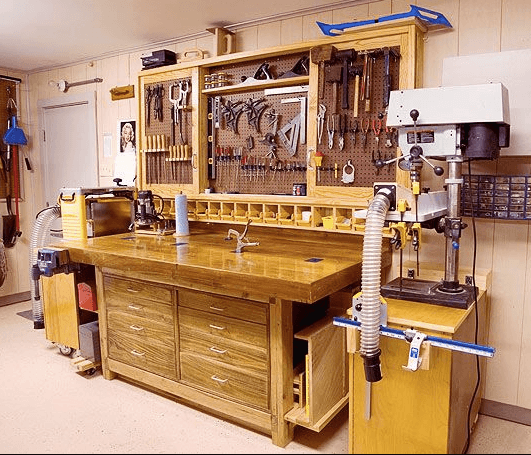
Effective storage, bench space, and tool accessibility are the backbone of an efficient garage workflow, and they should be arranged to support predictable tasks and single-task focus. The approach emphasizes storage optimization and deliberate bench organization, aligning surfaces and trays to reduce search time, preserve workflow momentum, and enable quick return. Clear zones, labeled bins, and accessible tools empower autonomous, freedom-focused craftsmanship.
Lighting, Power, and Dust Control for Safety
Lighting, power distribution, and dust control are integral to a safe and efficient garage workflow. The section outlines disciplined approaches to lighting safety, including task lighting, glare reduction, and emergency options. It defines reliable power distribution with proper circuits and outlets, labeled breakers, and cord management. Dust control emphasizes air filtration, enclosure strategies, and routine filtration maintenance for clean, productive work environments.
Ergonomics, Materials, and Future-Proofing Your Workshop
How can a workshop be configured to maximize comfort, efficiency, and longevity through thoughtful ergonomics, material selection, and future-proofing strategies? The analysis centers on ergonomics strategies that reduce strain and improve workflow, while guiding materials selection for durable, adaptable infrastructure. Systematic planning emphasizes modular layouts, adjustable workstations, and compatible storage. Future-proofing prioritizes scalable electrical, tool-neutral interfaces, and sustainable, adaptable components.
Frequently Asked Questions
How Can I Measure Workflow Efficiency Over Time?
A systematic approach measures throughput and time tracking to evaluate workflow efficiency over time. It records cycle times, bottlenecks, and output, then analyzes trends, adjusts processes, and empowers users with actionable insights for steady, freedom-focused improvement.
What Budget Range Is Realistic for Upgrades?
“Balance is a tightrope,” budget planning guides upgrades within a realistic range. The analysis prioritizes tool ergonomics and costs, presenting a systematic, user-centered plan. It frames freedom to customize while remaining financially prudent and transparent.
Which Safety Certifications Matter Most in a Garage?
Safety certifications matter most are OSHA 10/30, NFPA electrical and fire codes, and eyecare/respiratory protections; they underpin Garage compliance. The approach is systematic, precise, user-centered, empowering: a freedom-enhancing framework for safe, independent workshop practice.
See also: AI in Content Recommendations
How Often Should I Reconfigure the Layout?
“Reconfiguring layout” should occur when workflow measurement indicates bottlenecks; a quarterly review is practical, adjusting as tools and tasks evolve. The approach balances freedom with precision, guiding the space toward efficient, adaptable work flows. Symbolically, doors open to clarity.
Can I Retrofit Existing Tools for Better Ergonomics?
The answer: Yes, retrofit ergonomics is feasible; tool ergonomics can be improved by adjustable stands, cushioned grips, and balanced weight distribution. Systematically assess each task, prototype changes, and prioritize user-centered adjustments that preserve freedom of movement.
Conclusion
A thoughtfully zoned workflow reveals itself like a quiet coincidence: tools align with tasks just when needed, and a labeled bin appears near its match just as a project breathes to life. With glare-free lighting, clear circuits, and dust kept at bay, the space seems to anticipate the next step. Ergonomic, modular furniture supports evolving needs, while maintenance routines quietly preserve momentum. In this orderly, user-centered workshop, efficiency and safety repeatedly meet, time after time.