As retirement approaches, many Australian homeowners begin looking for ways to enjoy greater financial freedom without having to leave the home they love. One increasingly popular option is a reverse mortgage, which allows seniors to access the equity built up in their property while continuing to live in it.
Understanding how does a reverse mortgage work in Australia is the first step in deciding whether this financial solution aligns with your retirement goals. It is designed to help retirees unlock the value of their home in a flexible and supportive way, turning property wealth into usable funds without requiring regular loan repayments.
For many Australians, this approach provides an opportunity to enhance lifestyle, cover expenses, and enjoy retirement with more financial confidence—all while remaining in familiar surroundings.
How Does a Reverse Mortgage Work in Australia?
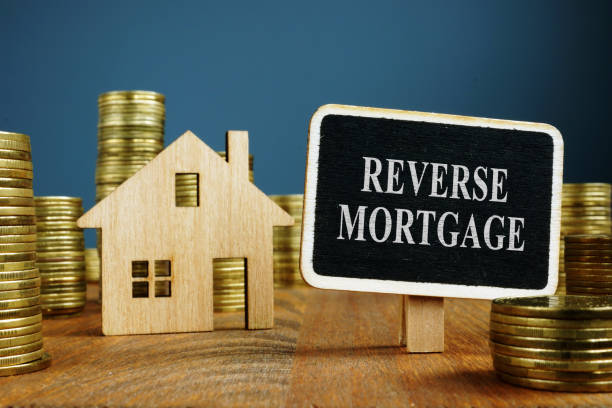
To understand how does a reverse mortgage work in Australia, it helps to think of it as a loan that uses your home as security while allowing you to stay in it. Instead of making regular repayments like a traditional mortgage, the loan balance is generally repaid later, typically when the home is sold or the property ownership changes.
The process is designed to be simple and flexible:
Homeowners aged 60 and over can usually apply, depending on eligibility. The amount you can access is based on factors such as your age, property value, and location. The older you are, the more equity you may be able to release.
Once approved, funds can be received in several ways—such as a lump sum, regular income payments, or a line of credit you can draw from as needed. This flexibility is one of the key features that makes reverse mortgages appealing for retirement planning.
The loan balance gradually increases over time as interest is added, but there are no mandatory repayments during the loan term. This allows retirees to enjoy immediate financial support while continuing to live in their home comfortably.
The Benefits of a Reverse Mortgage for Australian Retirees
When exploring how does a reverse mortgage work in Australia, it becomes clear that one of its strongest advantages is the ability to transform home equity into financial freedom.
Many retirees have significant wealth tied up in their property, but limited cash flow. A reverse mortgage helps bridge this gap by providing access to funds without requiring the sale of the home.
This can be especially helpful for supporting a more comfortable retirement lifestyle. Whether it’s enjoying travel, improving day-to-day living, or simply having extra financial breathing room, the benefits are centred around flexibility and independence.
Another important advantage is that homeowners continue living in their property. This means retirees can remain in a familiar environment, maintain their routines, and stay connected to their community while benefiting from the value of their home.
The structure is also designed to adapt to individual needs, making it a personalised financial option rather than a one-size-fits-all solution.
How Funds From a Reverse Mortgage Can Be Used
A key reason many Australians explore how does a reverse mortgage work in Australia is the wide range of ways the funds can be used. This flexibility allows retirees to tailor the loan to their personal goals and lifestyle.
Some common uses include enhancing retirement income, supporting everyday living expenses, or funding home improvements that make life more comfortable and enjoyable. Many homeowners also use the funds to pursue long-held dreams such as travel or leisure activities.
Others may choose to assist family members financially, contributing to milestones such as education or helping with major life events. Because the funds are not restricted, retirees have full control over how they enhance their retirement experience.
This freedom of choice is one of the most appealing aspects, allowing individuals to design a retirement that reflects their personal priorities.
Flexible Payment Options to Suit Different Lifestyles
Another important part of understanding how does a reverse mortgage work in Australia is the flexibility in how funds are received. Rather than a fixed structure, retirees can choose the option that best suits their lifestyle and financial preferences.
A lump sum payment can be ideal for those planning a major purchase or investment in home improvements. Alternatively, regular payments can provide a steady income stream to supplement pensions or other retirement income sources.
A line of credit option is also available, allowing homeowners to access funds as needed. This can be particularly useful for managing ongoing expenses or unexpected opportunities, offering a sense of financial readiness and control.
This adaptability ensures that the reverse mortgage aligns with different stages and styles of retirement, making it a highly customisable financial solution.
Why a Reverse Mortgage Can Support a Comfortable Retirement
For many Australians, understanding how does a reverse mortgage work in Australia opens the door to a more financially confident retirement. It allows homeowners to benefit from the wealth they have built over decades without needing to downsize or move.
This can be especially valuable for those who want to stay in their long-term family home. Instead of selling to access funds, retirees can continue enjoying the emotional and lifestyle benefits of familiar surroundings while still unlocking financial value.
The additional funds can significantly improve quality of life, offering greater freedom in daily decisions. Whether it’s enjoying hobbies, maintaining independence, or simply reducing financial pressure, a reverse mortgage can play a meaningful role in enhancing retirement wellbeing.
It also provides an opportunity to better balance income and lifestyle needs, especially when retirement savings or pensions alone may not fully cover desired living standards.
Who Might Find This Retirement Option a Good Fit?
When considering how does a reverse mortgage work in Australia, it’s helpful to understand the types of retirement goals it can support. This option is often chosen by homeowners who have significant equity in their property and want to make the most of it while continuing to live at home.
It can be particularly suitable for retirees who value stability and want to remain in their current home and community for the long term. The ability to access funds without relocating provides a strong sense of comfort and continuity.
It also appeals to those who want flexibility in how they use their wealth. Instead of having funds tied up in property, a reverse mortgage allows that value to be used in a way that supports lifestyle choices and personal goals during retirement.
Ultimately, it is a solution designed to enhance financial freedom while maintaining home ownership and independence.
The Role of Home Equity in Retirement Planning
A major part of understanding how does a reverse mortgage work in Australia involves recognising the role of home equity in retirement planning. For many Australians, their home is their largest financial asset.
A reverse mortgage allows this asset to become an active part of retirement income planning. Rather than remaining unused equity, it can be gradually accessed to support long-term financial wellbeing.
This approach helps retirees make the most of what they already own, turning property value into practical support for everyday life. It also encourages a more flexible approach to retirement planning, where financial resources are not limited to savings and superannuation alone.
By integrating home equity into retirement strategies, many homeowners are able to enjoy a more comfortable and personalised retirement experience.
Why Understanding This Option Matters
Learning how does a reverse mortgage work in Australia is an important step for anyone planning their retirement journey. It opens up new possibilities for using home equity in a way that supports lifestyle goals and long-term comfort.
Rather than viewing property solely as something to pass on or preserve, this approach highlights its potential as a living financial resource that can enhance everyday life during retirement.
With the right understanding, retirees can make informed choices that align with their vision for the future—whether that includes travel, home improvements, family support, or simply enjoying more financial ease.
Conclusion
A reverse mortgage offers Australian retirees a flexible and empowering way to access the wealth stored in their homes. By understanding how does a reverse mortgage work in Australia, homeowners can see how this option transforms property equity into meaningful financial support.
It provides a pathway to enjoy retirement with greater freedom, comfort, and choice, while continuing to live in the home and community they value. With flexible payment options and versatile uses for funds, it can be tailored to suit a wide range of retirement lifestyles.
For many Australians, it represents a practical and positive way to make retirement more fulfilling—turning home ownership into an active and supportive part of their financial future.